

Thermal Stress Challenges: Critical Bottlenecks in CMOS-MEMS Microphone Reliability
As smart wearables, automotive voice systems, and industrial IoT proliferate, MEMS microphones must maintain stable performance under extreme temperatures (-40°C to 125°C). However, stress concentration at metal-substrate interfaces and material delamination due to thermal cycling threaten device longevity. As a leader in MEMS acoustics, SISTC addresses these industry challenges through innovative thermal stress analysis and material optimization.
1. Thermal Stress Simulation & Experimental Validation: Pinpointing Structural Weaknesses
This study combines finite element analysis (FEA) and experimental validation to systematically evaluate failure mechanisms in CMOS-MEMS microphones under thermal cycling:
- Simulation Modeling: ANSYS-based 3D models simulate stress distribution in aluminum (Al) and copper (Cu) metallization layers under -40°C to 125°C thermal loads.
- Experimental Validation: 500 thermal cycles and SEM imaging identify diaphragm-silicon substrate interfaces as stress concentration zones, aligning with simulation results.
- Key Findings:
- Stress at the bottom metal interface exceeds that at the top, triggering delamination and cracks (see Fig. 1).
- Replacing Al with Cu metallization reduces thermal stress by 33%, enhancing structural stability.
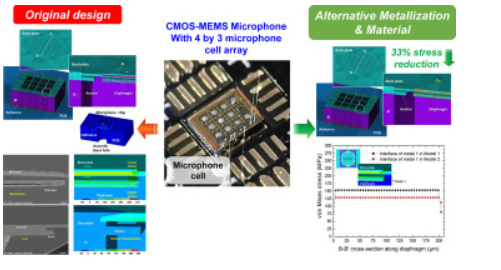
Fig. 1: Thermal Stress Distribution & Failure Locations (Example: SEM Image Comparison)
2. SISTC’s Solutions: Material Innovation & Process Optimization
To tackle thermal stress challenges, SISTC introduces next-gen high-reliability CMOS-MEMS microphone technologies:
✅ Copper Metallization Design: Low thermal expansion coefficient (CTE) Cu minimizes interfacial stress, ideal for wide-temperature applications.
✅ Interface Reinforcement: Nano-scale bonding technology strengthens diaphragm-substrate adhesion, mitigating delamination risks.
✅ Full-Cycle Simulation Validation: Integrated FEA and testing ensure compliance with AEC-Q100 automotive standards from design to mass production.
Explore SISTC’s High-Reliability MEMS Microphones → Product Details
3. Applications & Industry Impact
Optimized CMOS-MEMS microphones excel in critical fields:
- Smart Automotive: In-vehicle voice assistants maintain 99.5% speech recognition accuracy under extreme temperatures.
- Industrial IoT: Factory noise monitoring systems operate reliably for 10,000+ hours at -40°C.
- Consumer Electronics: TWS earbuds achieve zero-distortion recording in low-temperature environments.
The global high-reliability MEMS microphone market is projected to reach $2.8 billion by 2025 (Market Report Reference). SISTC continues to drive innovation, empowering clients to lead in competitive markets.
Why Choose SISTC?
- Custom Thermal Management: Tailored metallization materials and structural optimization.
- Military-Grade Quality Control: Fully automated packaging and 100% thermal cycling tests ensure batch consistency.
- Global Technical Support: Rapid-response teams in North America, Europe, and Asia.
Download Thermal Stress Whitepaper → SISTC MEMS Microphone Technical Docs
Conclusion
Thermal stress management is pivotal for MEMS microphone reliability. SISTC delivers end-to-end solutions from design to production through material innovation and cross-disciplinary simulation. For technical consultations or samples, contact our engineering team today!
Authoritative External Links: