

Portable Acoustic Imaging with 136 MEMS Microphones
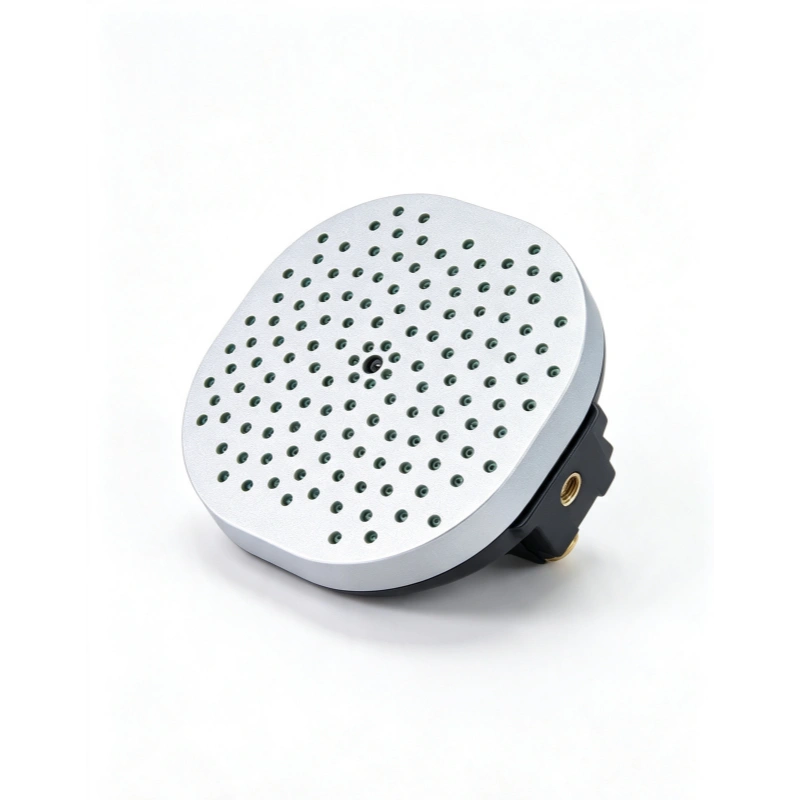
The ASAI136-PRO is a portable acoustic imaging camera designed for industrial leak detection, electrical partial discharge analysis, mechanical fault diagnosis and abnormal sound localization.
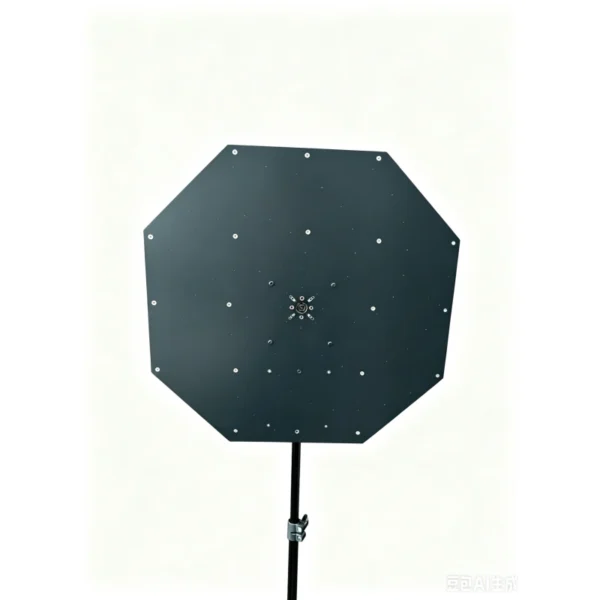
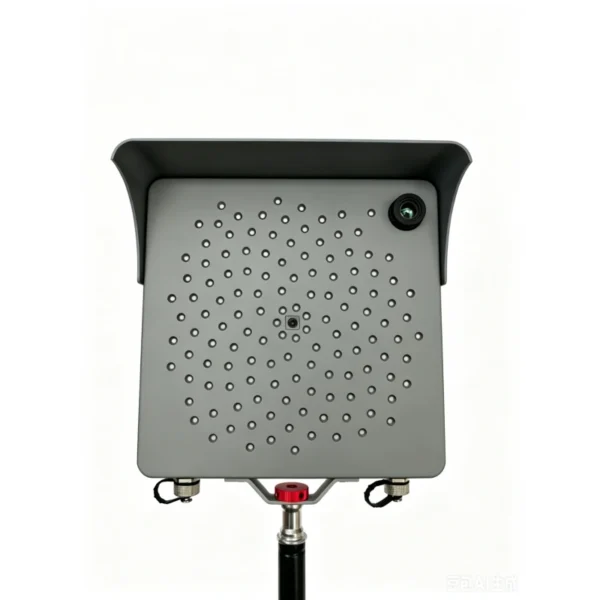
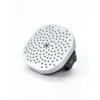
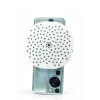
The system integrates 136 high-performance MEMS microphones into a compact 94 mm diameter array. With a frequency range of 2 kHz–96 kHz, the microphone array captures a wide range of audible and ultrasonic acoustic information generated by industrial equipment.
Combined with a high-performance FPGA processing architecture, the ASAI136-PRO performs real-time beamforming, acoustic imaging and spectral analysis to help users quickly identify where abnormal acoustic energy is coming from and what type of acoustic event may be occurring.
Direct Connection to Smartphone
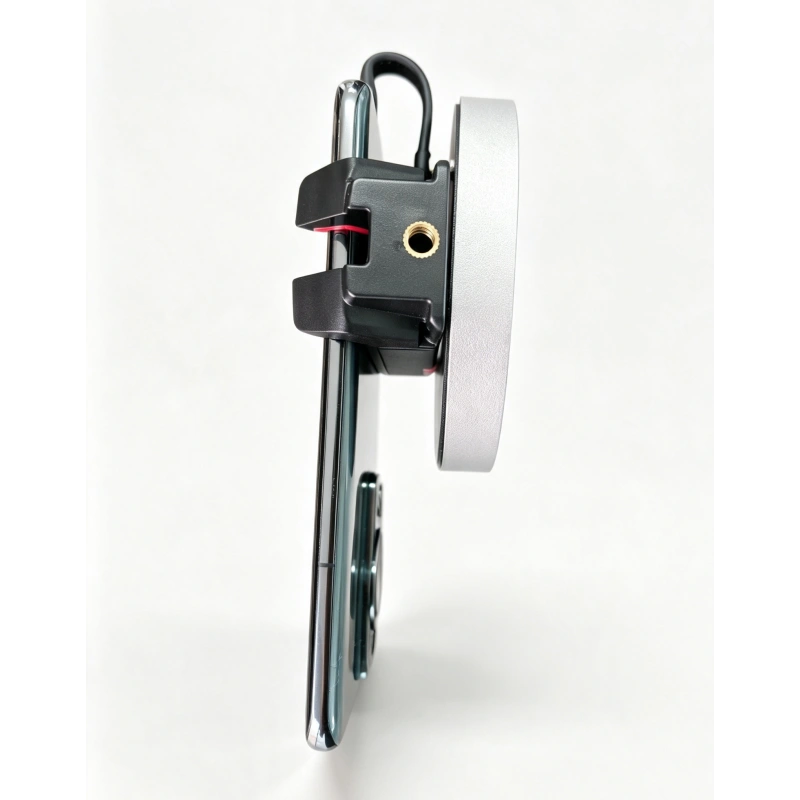
One of the key advantages of the ASAI136-PRO is its compact portable architecture and direct smartphone connectivity.
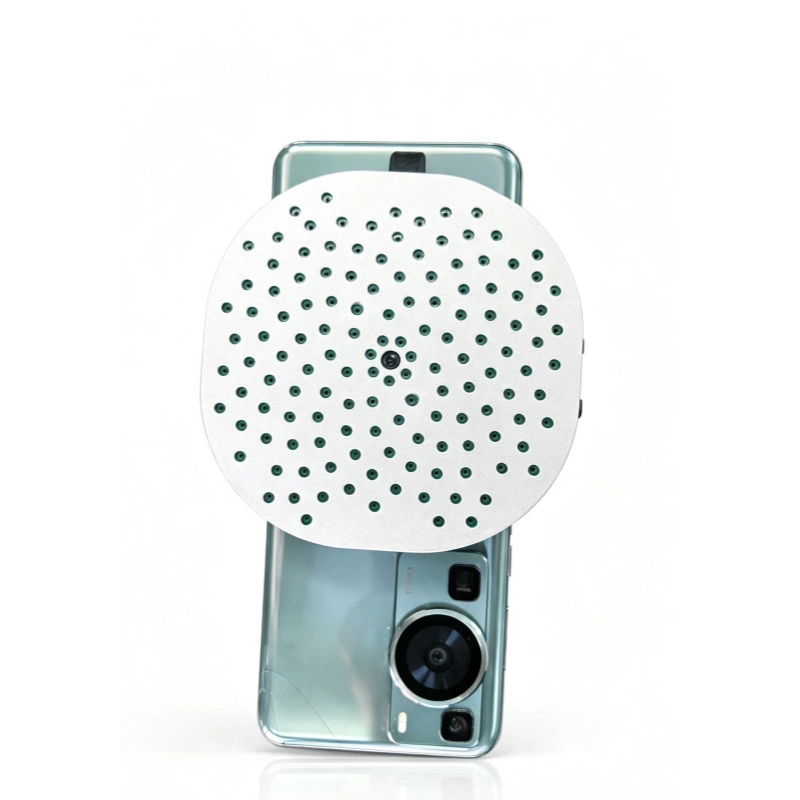
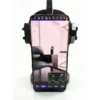
The device can connect directly to an Android smartphone through USB Type-C, allowing users to perform acoustic inspection without carrying a dedicated large-format industrial computer.
Supported system platforms include:
- Android
- Windows
- Linux
This makes the ASAI136-PRO suitable for:
- Field inspection
- Maintenance teams
- Portable equipment diagnostics
- Rapid fault investigation
- On-site engineering analysis
- Industrial inspection services
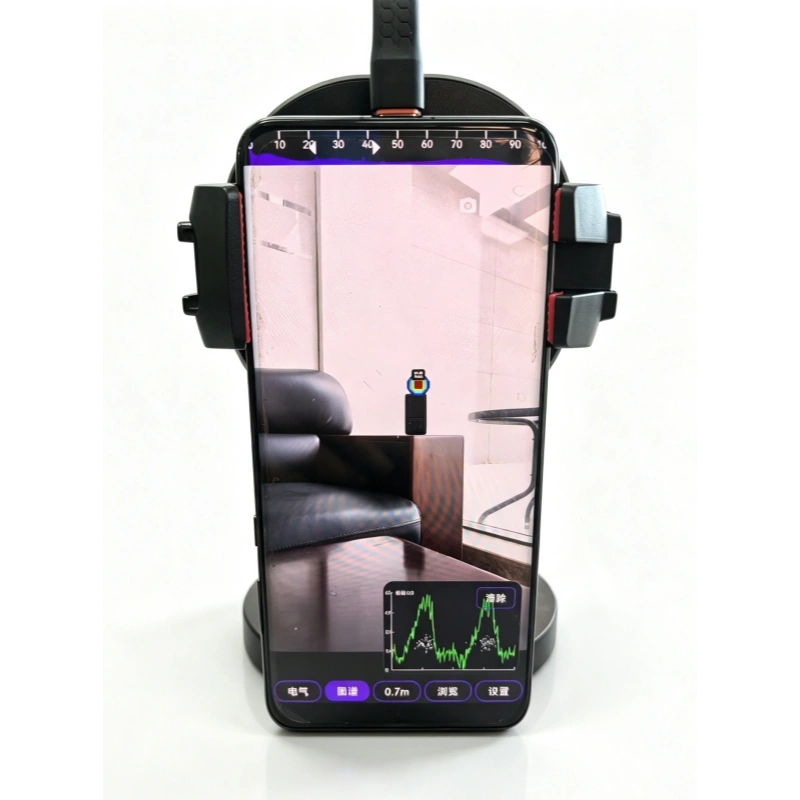
The smartphone can serve as the display and control terminal, while the ASAI136-PRO performs high-speed acoustic acquisition and processing.
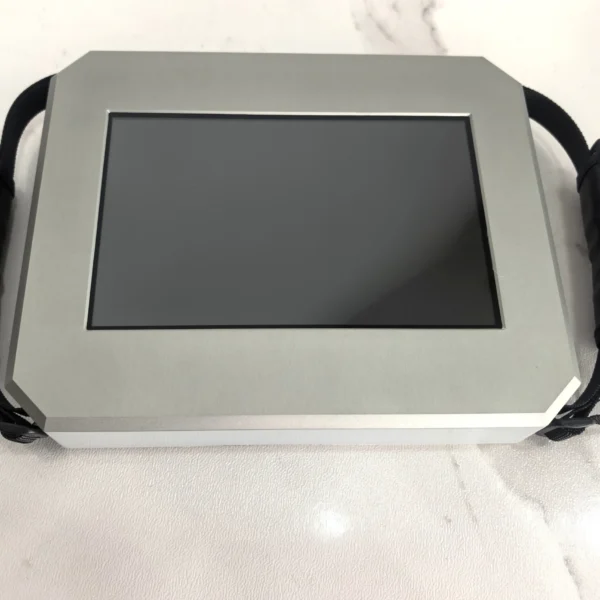
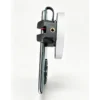
Compact CNC Aluminum Design
The complete device is manufactured using a CNC-machined aluminum alloy enclosure.
Its compact physical design is optimized for handheld industrial inspection:
- 98 × 98 × 20 mm overall dimensions
- Less than 250 g
- Approximately 94 × 94 × 12 mm internal acoustic engine
- Fanless operation
- 3.5 W system power consumption
- USB Type-C power supply
The thin 20 mm body allows the acoustic camera to be easily carried into equipment rooms, electrical facilities, production lines and other inspection environments.
136-Microphone MEMS Array
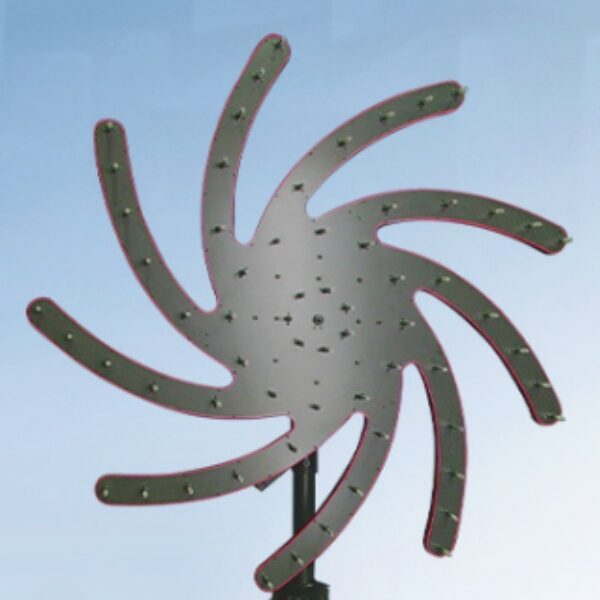
At the heart of the ASAI136-PRO is a 136-element MEMS microphone array with an approximately 94 mm array diameter.
The high-density microphone arrangement provides spatial acoustic sampling required for beamforming and acoustic imaging.
Compared with conventional single-microphone instruments, the array architecture provides additional spatial information, allowing the system to identify not only the acoustic level but also the approximate direction and location of the sound source.
The microphone array supports a frequency range of:
2 kHz–96 kHz
This wide bandwidth makes the ASAI136-PRO suitable for detecting high-frequency acoustic events that may not be easily captured by conventional audio inspection equipment.
10× Higher FPGA Computing Performance
The upgraded FPGA processing architecture provides approximately 10× higher computing capability compared with the previous generation platform.
The increased processing capability enables more complex real-time acoustic processing while maintaining the compact form factor.
The FPGA platform supports:
- Multi-channel MEMS acquisition
- Real-time beamforming
- Acoustic imaging
- FFT analysis
- Multi-target beam tracking
- Environmental noise reduction
- Super-resolution processing
- Zone masking
- PRPD analysis
- Multiple visualization modes
This processing architecture provides a foundation for future algorithm upgrades and application-specific acoustic analysis.
Real-Time Acoustic Imaging
The ASAI136-PRO combines acoustic information with an integrated optical camera to create an intuitive acoustic visualization system.
The optical camera provides:
- 16 MP image resolution
- 2.8 mm focal length
- 60 FPS
Acoustic sources can therefore be displayed together with the visible scene, helping operators quickly identify the physical location of a leak, discharge or abnormal mechanical sound.
Three Acoustic Imaging Modes
The system supports three major imaging modes for different inspection requirements.
Super Field-of-View Mode
Provides a wider acoustic observation area for rapidly locating sound sources across a larger scene.
This mode is useful during the initial inspection stage when the exact location of an abnormal acoustic source is unknown.
Normal Imaging Mode
Provides a balanced field of view and spatial resolution for general-purpose acoustic inspection.
Super-Resolution Imaging Mode
Uses enhanced spatial processing to improve localization of small or closely spaced acoustic sources.
This mode is particularly useful when the operator needs to distinguish acoustic sources located close to each other.
Up to 16 Beam Points
For fixed inspection scenarios, the ASAI136-PRO can support up to 16 beam points.
Beam points can be configured as:
- Automatic beam points
- Fixed beam points
This allows operators to monitor multiple acoustic areas simultaneously or focus processing resources on predefined inspection locations.
The system supports up to 16 targets / beam points depending on the selected operating mode.
Acoustic Leak Detection
Acoustic leak detection is one of the key applications of the ASAI136-PRO.
Compressed air and gas escaping through a small opening generate high-frequency turbulent noise. The 136-microphone array captures the acoustic energy and calculates its spatial distribution.
The acoustic image can then be used to identify the approximate leak location.
The system can also provide acoustic information that can be used to estimate leak severity under appropriate operating conditions.
Reference Leak Detection Performance
Under specified test conditions:
| Test Condition | Minimum Detectable Leak |
|---|---|
| 10 m distance, 5.0 bar | Approx. 0.05 L/min |
| 0.5 m distance, 5.0 bar | Approx. 0.006 L/min |
Actual detection performance depends on:
- Leak size
- Gas pressure
- Distance
- Background noise
- Equipment geometry
- Environmental conditions
- Acoustic characteristics of the leak
Therefore, these values should be considered reference laboratory/test conditions rather than guaranteed performance for every field environment.
Electrical Partial Discharge Detection
The ASAI136-PRO supports acoustic analysis for electrical equipment inspection and partial discharge (PD) trend analysis.
Partial discharge events can generate short-duration high-frequency acoustic signals. The wide 2 kHz–96 kHz bandwidth and high-density MEMS array provide the acoustic acquisition capability required to identify and spatially analyze these events.
The system can support:
- Partial discharge acoustic detection
- Source localization
- Acoustic intensity analysis
- Trend monitoring
- PRPD-related analysis
- Historical condition comparison
The goal is not simply to detect a single event, but to help maintenance personnel understand where acoustic activity occurs and how the acoustic pattern changes over time.
Mechanical Fault and Abnormal Noise Diagnosis
Mechanical equipment generates characteristic acoustic signatures during operation.
Abnormal acoustic patterns can indicate potential mechanical problems such as:
- Bearing abnormalities
- Friction
- Loose components
- Rotating machinery anomalies
- Valve abnormalities
- Pneumatic system problems
- Gear and transmission noise
- Structural vibration-related noise
The ASAI136-PRO can localize abnormal acoustic sources and provide FFT data for further frequency-domain analysis.
This makes the system useful as a complementary tool for predictive maintenance and condition monitoring.
FFT and Frequency-Domain Analysis
In addition to acoustic imaging, the ASAI136-PRO can output FFT-related acoustic information for frequency-domain analysis.
FFT analysis can help engineers identify characteristic frequency components associated with:
- Mechanical rotation
- Harmonic components
- Bearing-related acoustic signatures
- Resonance
- Pneumatic leakage
- Electrical discharge activity
- Abnormal machine noise
Acoustic imaging answers:
“Where is the sound coming from?”
FFT analysis provides additional information about:
“What frequency components are present?”
Combining spatial and frequency-domain information provides a more complete acoustic diagnostic workflow.
Environmental Noise Reduction
Industrial environments often contain multiple background noise sources.
The ASAI136-PRO supports environmental noise reduction and spatial processing to improve the contrast between the target acoustic source and surrounding noise.
The system supports:
- Environmental noise reduction
- Directional beamforming
- Multi-target processing
- Zone masking
- Spatial acoustic filtering
This allows operators to focus on specific areas of interest instead of analyzing the entire acoustic environment equally.
Zone Masking
The zone masking function allows users to define areas that should be excluded or de-emphasized during acoustic analysis.
This is useful when known background sources exist within the inspection scene.
For example, an operator can define a machinery area as a background zone and focus acoustic analysis on another section of the equipment.
Zone-based processing can help improve inspection efficiency in complex industrial environments.
Three-Stage Trigger Protection
To reduce false operation caused by accidental contact during handheld inspection, the system supports three trigger protection mechanisms.
The trigger architecture is designed to reduce accidental activation and improve operational reliability during field use.
This is particularly useful when the acoustic camera is being carried or operated around industrial equipment.
Integrated Optical Camera
The ASAI136-PRO integrates a high-resolution optical camera with:
- 16 MP resolution
- 2.8 mm focal length
- 60 FPS
The optical image provides the visual reference required to correlate acoustic sources with physical equipment.
This acoustic + optical combination allows the operator to see:
Physical Scene + Acoustic Source + Direction + Acoustic Data
within one inspection workflow.
Portable Industrial Inspection
The compact size and low weight make the ASAI136-PRO suitable for mobile inspection.
Typical workflow:
Connect → Scan → Locate → Analyze → Diagnose
The operator can connect the acoustic camera to an Android smartphone, scan the target equipment, locate abnormal acoustic sources and then perform detailed analysis.
This reduces the need for bulky dedicated inspection equipment.
Key Applications
Compressed Air and Gas Leak Detection
Locate compressed-air and gas leaks in:
- Factories
- Pneumatic systems
- Pipelines
- Valves
- Pressure systems
- Production equipment
Electrical Inspection
Applications include:
- Partial discharge detection
- Electrical equipment inspection
- Acoustic PD trend analysis
- High-voltage equipment monitoring
The system can provide acoustic localization and trend information for maintenance teams.
Mechanical Diagnosis
Suitable for acoustic inspection of:
- Motors
- Bearings
- Pumps
- Compressors
- Gearboxes
- Fans
- Rotating machinery
- Production equipment
Industrial Abnormal Sound Detection
The acoustic camera can help identify unexpected sounds and determine their approximate physical location.
This is particularly useful when a machine contains multiple potential noise sources and visual inspection alone cannot identify the problem.
Technical Specifications
| Parameter | Specification |
|---|---|
| Microphone Quantity | 136 MEMS microphones |
| Array Diameter | Approx. 94 mm |
| Frequency Range | 2 kHz – 96 kHz |
| Sound Pressure Level | 30 dB SPL – 120 dB SPL |
| Effective Detection Distance | 0.3 – 100 m* |
| FPGA Computing Performance | Approx. 10× improvement |
| Maximum Beam / Target Points | Up to 16 |
| Beamforming Dynamic Range | Up to 40 dB |
| Imaging Modes | Super FOV / Normal / Super Resolution |
| Zone Masking | Supported |
| Environmental Noise Reduction | Supported |
| PRPD Analysis | Supported |
| FFT Output | Supported |
| Optical Camera | 16 MP |
| Camera Focal Length | 2.8 mm |
| Camera Frame Rate | 60 FPS |
| System Platform | Windows / Linux / Android |
| External Interface | USB / Gigabit Ethernet / DC Power |
| Power Consumption | Approx. 3.5 W |
| Power Supply | USB Type-C |
| Dimensions | 98 × 98 × 20 mm |
| Acoustic Engine | Approx. 94 × 94 × 12 mm |
| Weight | <250 g |
| Operating Temperature | -20°C to +50°C |
| Storage Temperature | -20°C to +60°C |
| Relative Humidity | 10%–90%, non-condensing |
| Enclosure | CNC-machined aluminum alloy |
| Fan | Fanless |
| Explosion Protection | Manufacturer support / certification assistance |
* Effective detection distance depends on sound source size, acoustic intensity, background noise and environmental conditions.
Why Choose the ASAI136-PRO?
136-Microphone High-Density Array
A compact 136-MEMS microphone array provides high-density spatial acoustic sampling for accurate acoustic imaging.
96 kHz Wideband Acquisition
The 2 kHz–96 kHz frequency range extends the system beyond conventional audible-band inspection and supports high-frequency industrial acoustic events.
Direct Smartphone Connectivity
Connect directly to an Android smartphone through USB Type-C for convenient portable inspection.
Ultra-Compact Design
Only 20 mm thick and less than 250 g, making the system easy to carry and operate in the field.
10× Higher FPGA Computing Capability
The upgraded FPGA architecture supports more demanding real-time acoustic imaging and signal-processing workloads.
Acoustic + Optical Imaging
Combines acoustic localization with a 16 MP optical camera to help engineers quickly identify the physical source of abnormal sound.
Leak Detection
Designed for locating compressed-air and gas leaks and supporting quantitative leak assessment under suitable conditions.
Partial Discharge Analysis
Supports acoustic PD detection, localization and trend analysis.
Industrial Fault Diagnosis
Provides acoustic imaging and FFT information for mechanical equipment inspection and abnormal noise diagnosis.
Flexible Analysis
Supports super-FOV, normal and super-resolution imaging, multi-beam processing, environmental noise reduction and zone masking.
From Acoustic Imaging to Industrial Diagnosis
The ASAI136-PRO is designed to transform acoustic signals into practical inspection information.
Instead of relying only on a conventional sound level measurement, the system provides multiple layers of acoustic information:
Acoustic Detection → Spatial Localization → Acoustic Imaging → FFT Analysis → Trend Analysis → Fault Diagnosis
This makes the ASAI136-PRO a compact platform for industrial acoustic inspection, predictive maintenance and intelligent fault detection.
SISTC can also provide customized acoustic algorithms, application software, OEM/ODM development and system integration support for industrial customers.