 English
  Chinese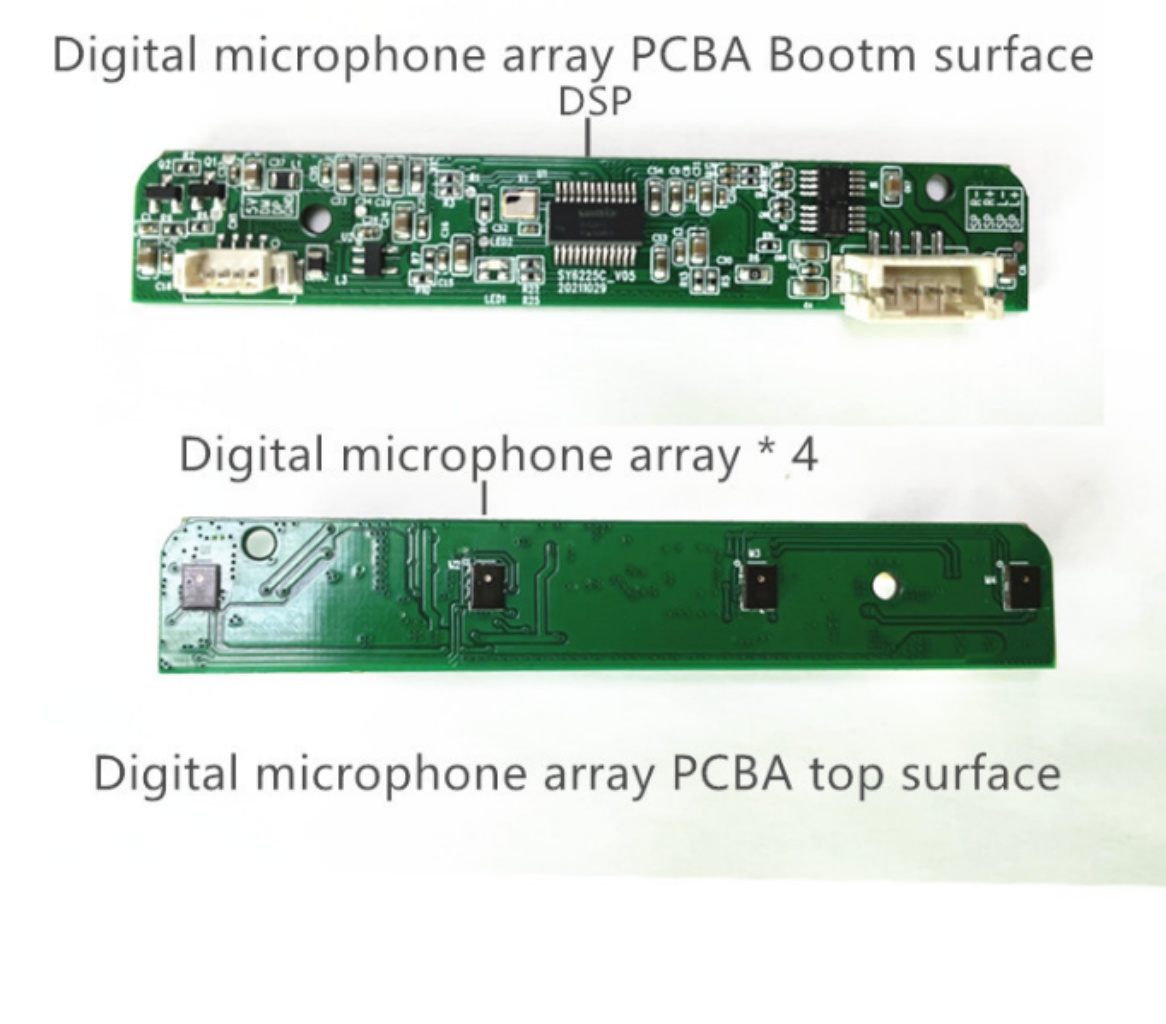




Key Features
-
High-Performance Processing: 240MHz 32-bit RISC core with hardware calculus accelerators for real-time AI audio processing.
-
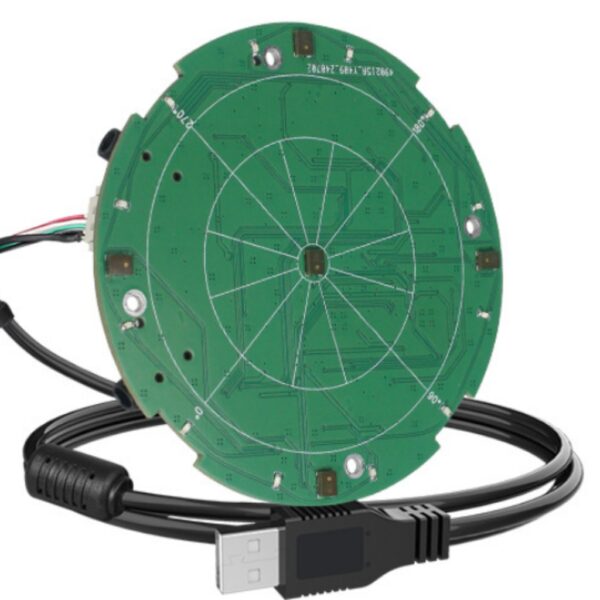
Studio-Grade Clarity: Supports 4-channel high-quality digital MEMS microphones with an Audio-DAC SNR ⩾ 105dB.
-
Intelligent Noise Reduction: Advanced algorithms for both uplink (pickup) and downlink (playback) signal noise suppression.
-
Ultra-Low Power Consumption: Optimized for 24/7 “always-on” voice wake-up and monitoring applications.
-
Universal Connectivity: Built-in USB 2.0 PHY for synchronized 4-channel audio data transmission without external components.
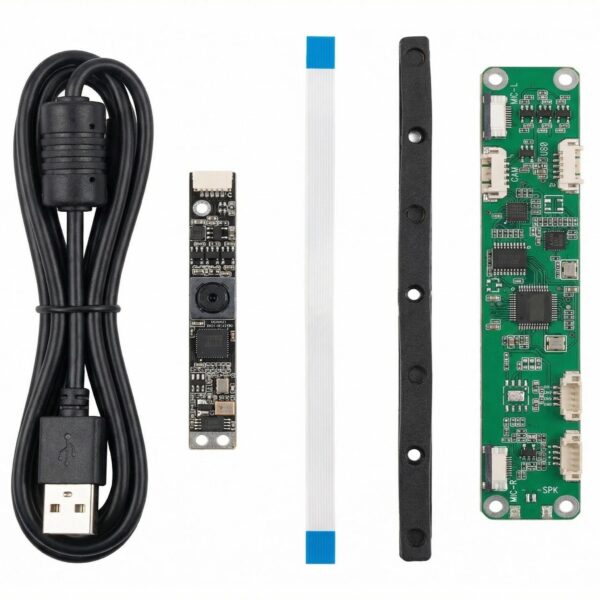
Category Specification Details Core Processor 32-bit RISC DSP @ 240MHz with Integrated FPU Memory Architecture On-chip ROM Code and RAM for voice processing Audio ADC 4-Channel High-Quality Digital Microphone Support Audio DAC 2-Channel Line-out/Line-in; SNR ⩾ 105dB Sampling Rates 8kHz / 11.0125kHz / 12kHz / 16kHz / 22.025kHz / 24kHz / 32kHz / 44.1kHz / 48kHz Max Bit Width 16-bit Digital Interfaces PCM / I2S Linear Input and Output USB Interface USB 2.0 Standard Protocol; Supports 6 Endpoints; Integrated PHY System Support Android, Linux , Windows VISTA / 7 / 8 / 10 / 11
Technical FAQ
Q1: Does this module require custom drivers for Android or Linux? A: No. The SS-4M-DSP360-I utilizes the standard USB 2.0 Audio Class (UAC) protocol. It is Plug-and-Play on Android, Linux (Kernel 2.6.24+), and Windows, allowing for immediate 4-channel synchronized audio capture.
Q2: How does the integrated FPU benefit the audio quality? A: The Floating Point Unit (FPU) allows the DSP to perform complex AI noise reduction and echo cancellation algorithms with much higher precision and lower latency compared to standard fixed-point processors, resulting in more natural and clearer voice output.
Q3: Can this module handle both recording and playback simultaneously? A: Yes. With support for 2-channel Line-out and uplink/downlink noise reduction, it manages full-duplex audio communication, making it perfect for two-way intercoms and video conferencing.
Q4: Is the coordinate output available for sound source localization? A: While this specific model focuses on high-fidelity 4-channel capture and DSP enhancement, the 4-channel raw data can be processed by the host system for DOA (Direction of Arrival) estimation.
Applications
-
Professional Video Conferencing: Crystal clear voice pickup for executive meeting rooms.
-
Smart AI Terminals: Voice-activated kiosks, smart mirrors, and home automation hubs.
-
Industrial Intercoms: Reliable communication in high-noise factory environments.
-
Robotics: Compact audio frontend for service and social robots.